In 2026, a solo photographer cannot rely on portfolio taste alone. Clients discover, compare, and book through a mix of search, short video, social proof, and instant contact points, so online promotion has become part of the service itself. The photographers who keep income steady are the ones who treat their websites, social channels, and follow-up systems as a single sales engine.
For independent shooters in South Africa, that means choosing a niche, showing up where buyers already spend time, and removing friction from the booking path. A wedding photographer in Cape Town, a corporate headshot specialist in Johannesburg, and a personal branding photographer for female entrepreneurs all need different messages, but the same principle applies, get found quickly, build trust fast, and make enquiry simple.
Build around one clear niche
The fastest way to look established is to stop marketing to everyone. Luxury destination wedding photography, adventure elopements in the Drakensberg, and personal branding shoots for women founders all attract better leads than a broad “I do all types of photography” pitch. A narrow position also supports higher pricing because the service feels designed for a specific outcome, not assembled for anyone who happens to visit.
Your homepage, bio, and portfolio should all reflect that choice. If you shoot corporate work, show executive headshots, conference coverage, and brand imagery before you show anything else. If your strength is weddings, organise galleries by location, style, and package outcome. A visitor should know within seconds whether you are the right fit.
Pricing also becomes easier when your niche is sharp. You can publish package ranges, explain licensing, and define usage rights without sounding defensive. That matters in the photography economy, where predictable income often comes from repeatable offers rather than one-off quote surprises.
Treat your website like a sales tool
A strong portfolio site still matters in 2026, but it has to perform technically as well as visually. Google continues to reward fast, stable, mobile-ready pages, and mobile traffic now makes up more than 60% of all web visits. If your site loads slowly or shifts around while images appear, you lose both ranking and enquiries.
Image optimisation is part of that job. Use modern formats such as WebP or AVIF, compress files without making them muddy, and lazy-load galleries so the page stays responsive. A one-second delay can cut conversions by 7%, which is a brutal penalty for a business built on first impressions.
Structured data helps too. Add schema for photography services, local business details, contact information, and reviews so search engines understand what you offer. Then place clear calls to action throughout the site, such as Book a Session, Request a Quote, or View Pricing. Integrated booking and payment systems can reduce enquiry friction by around 30%, especially when clients can pick a slot, sign a contract, and pay a deposit without waiting for a long email chain.
Use platforms for different jobs
Instagram still matters, but in 2026 it is no longer enough to post polished stills and hope for reach. Reels and Stories drive much of the attention, so short video should carry the front line of your marketing. TikTok works in a similar way, though it now supports longer clips and stronger commerce tools, which makes it useful for behind-the-scenes walkthroughs, quick tutorials, and portfolio previews.
Short-form video accounts for more than 82% of online traffic, so a solo photographer who avoids it is leaving discovery on the table. Keep clips tight, use them to show process as well as results, and let viewers see your working style. Authenticity gets more response than perfection, and posts that reveal the shoot day, the edit, or the client experience can pull about twice as many comments and shares as purely promotional updates.
Pinterest deserves more attention than most photographers give it. With more than 400 million monthly active users, it works like a visual search engine, not just a social feed. That makes it especially valuable for wedding, home decor, and product photographers who want evergreen traffic back to their portfolio pages.
LinkedIn is the platform for B2B work. If you want corporate headshots, event coverage, or commercial product assignments, this is where decision-makers already spend time. It is also where professional posts, direct messages, and articles can create leads without the noise of consumer social apps. In B2B, LinkedIn is responsible for the bulk of social-driven leads, so photographers who ignore it are ignoring the highest-value audience in their market.
Adobe Portfolio and Behance still deserve a place in the mix as clean, distraction-free showcases. They work well as credibility layers, especially when linked from your main site and profile bios. For client delivery and sales, tools like ShootProof can support galleries and post-session purchases.
Publish content that earns trust
The fastest content strategy in 2026 is educational, specific, and visible in motion. Quick posing tips, lighting breakdowns, gear comparisons, and mini tutorials help clients understand your skill before they enquire. Live Q&A sessions on Instagram or YouTube can do the same job in real time, especially if you answer questions about bookings, timing, styling, or file delivery.
Behind-the-scenes posts matter because they show how you work, not just what you produce. That can be a venue walk-through, a studio setup, a drone prep sequence, or a quick before-and-after edit. Niche communities also help here. A photographer who contributes useful advice in Facebook Groups, Reddit threads, Discord channels, or local planning groups will often convert better than someone who only posts ads.
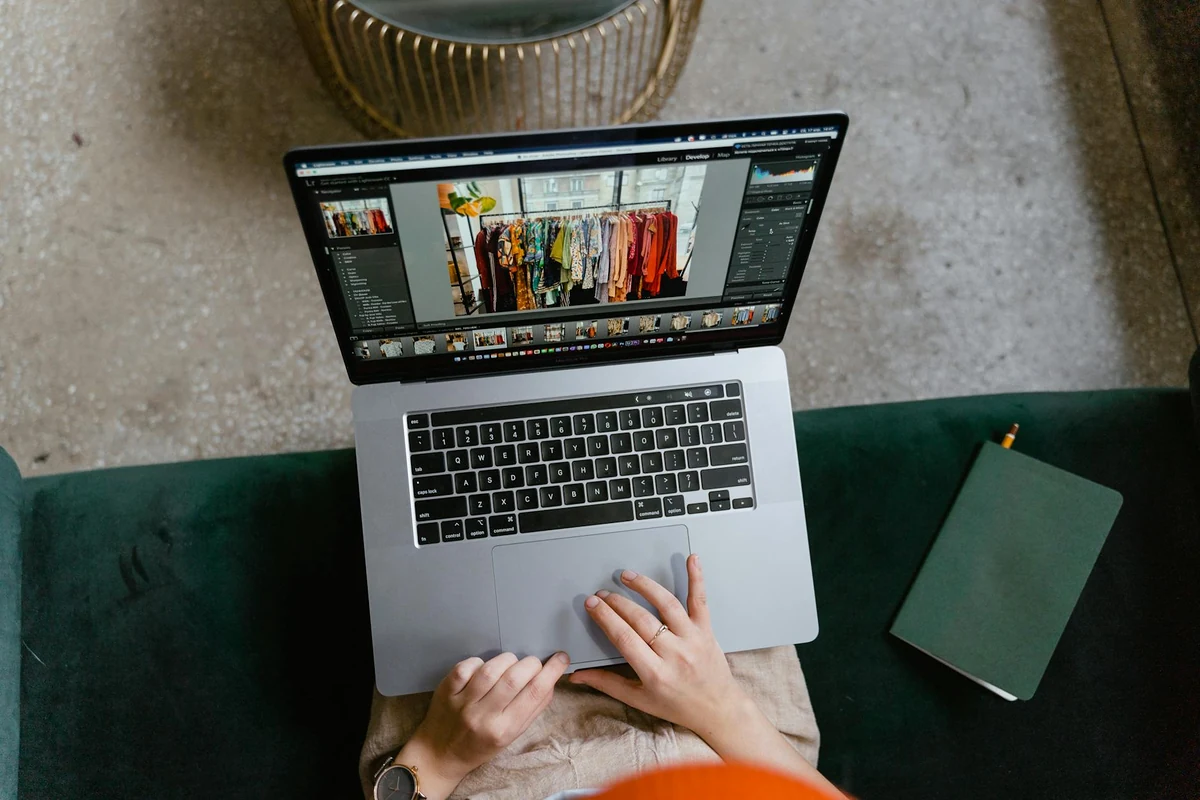
AI tools can save hours each week if you use them for the dull parts of promotion. ChatGPT-4 can draft captions, blog outlines, and email copy quickly, while Lightroom’s AI masking and tools like Narrative Select reduce culling and editing time. Use that extra time for outreach, newsletter writing, and follow-up. AI analytics can also show which posts, hours, and topics bring the best response, which keeps your marketing budget focused.
Make the booking path predictable
A solo photography business becomes more stable when enquiries are handled the same way every time. Use a CRM such as HoneyBook or Dubsado to automate onboarding, reminders, contracts, and follow-up messages. Build a simple workflow that moves a lead from first contact to consultation to deposit without manual chasing.
Email still matters because it reaches people after the social feed has moved on. A short monthly update with recent work, seasonal offers, or availability windows keeps your business in sight. Add testimonials, user-generated content, and client tags where possible, since social proof reduces hesitation.
The goal is not bigger follower counts. The goal is a system that turns discovery into conversation, conversation into trust, and trust into paid work. In 2026, the solo photographers who win online are the ones who make every part of that chain easier to see, easier to judge, and easier to book.